
HISTORY & HERITAGEOrigins of the Estate
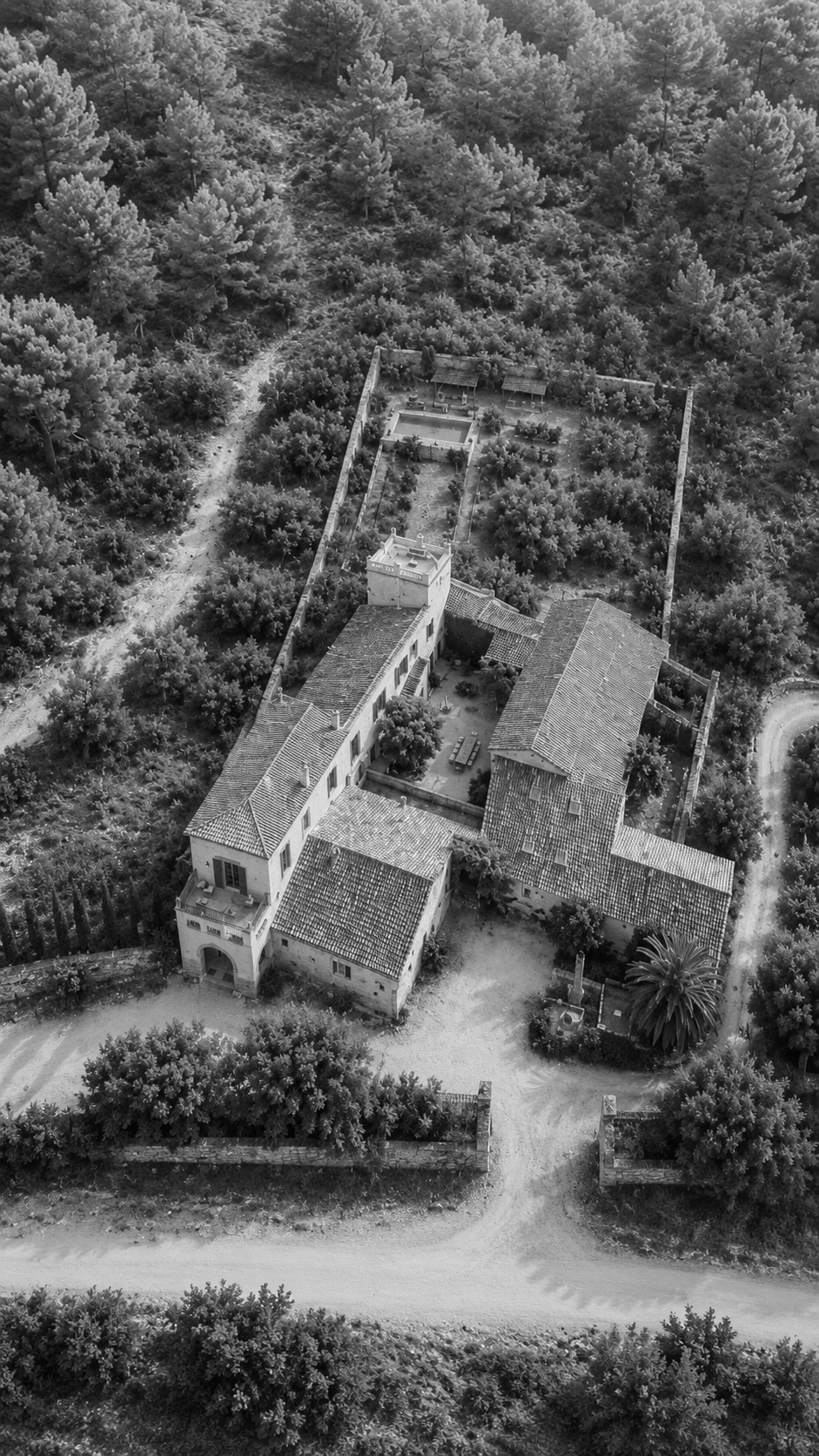
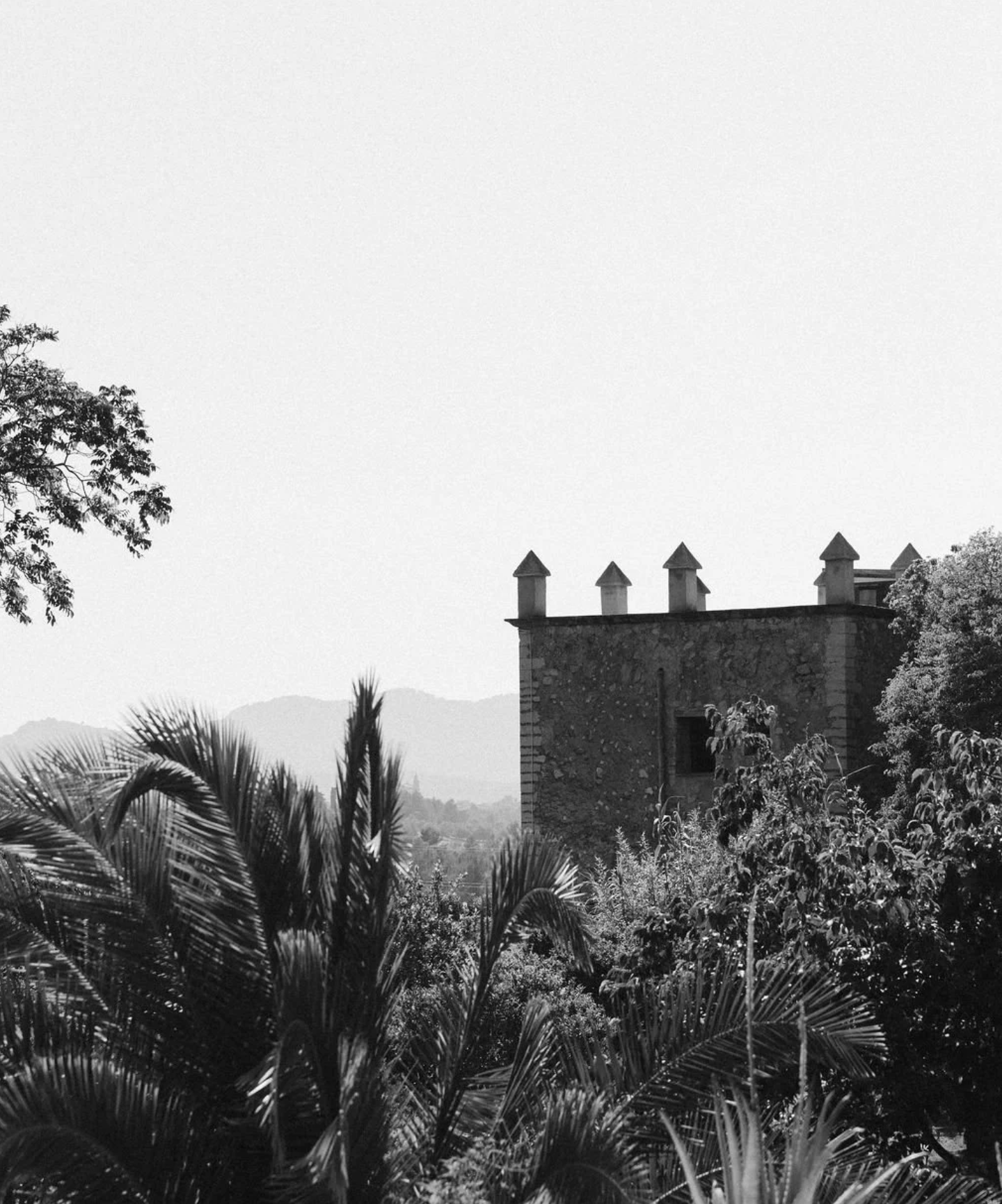
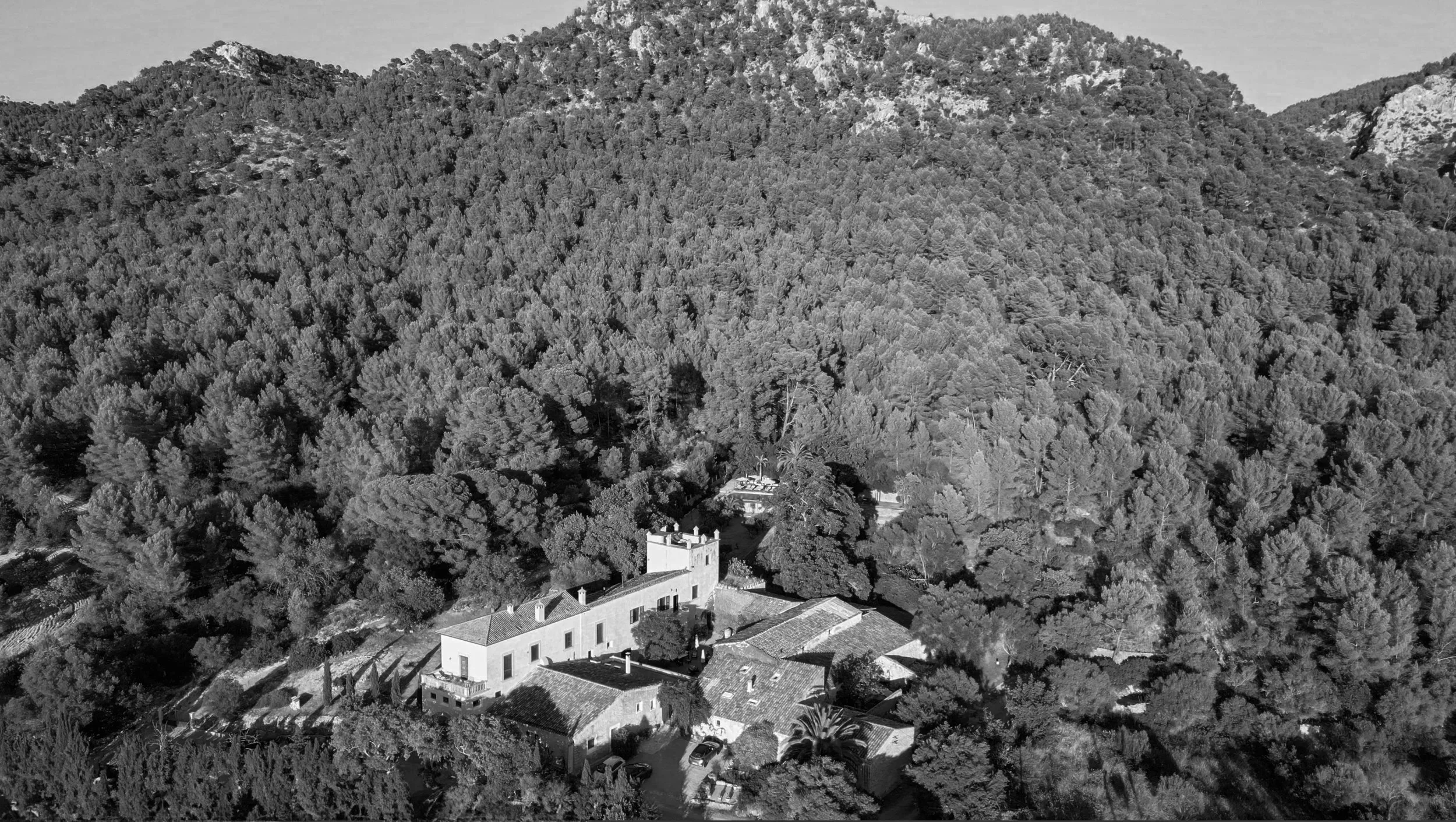
The history of Son Boronat reaches back to the late 14th century, when a defensive tower was built to protect the surrounding countryside. At the time, Mallorca faced threats from Turkish pirate attacks, and a network of towers across the island was used to monitor danger.
Signals would be sent from tower to tower, alerting nearby towns and fields and allowing time to prepare. The tower at Son Boronat, still standing today, remains one of the defining elements of the estate.
The Development of the Finca
Over time, the estate expanded with the construction of La Casa dels Senyors, built using granite sourced directly from the surrounding mountains. The stone staircase rising from the courtyard to the main house is a lasting detail from this period.
A small chapel was also created within the main building, used for worship and quiet reflection. Its arched ceilings and original features have been carefully preserved and restored, maintaining its connection to the past.
A Self-Sustaining Estate
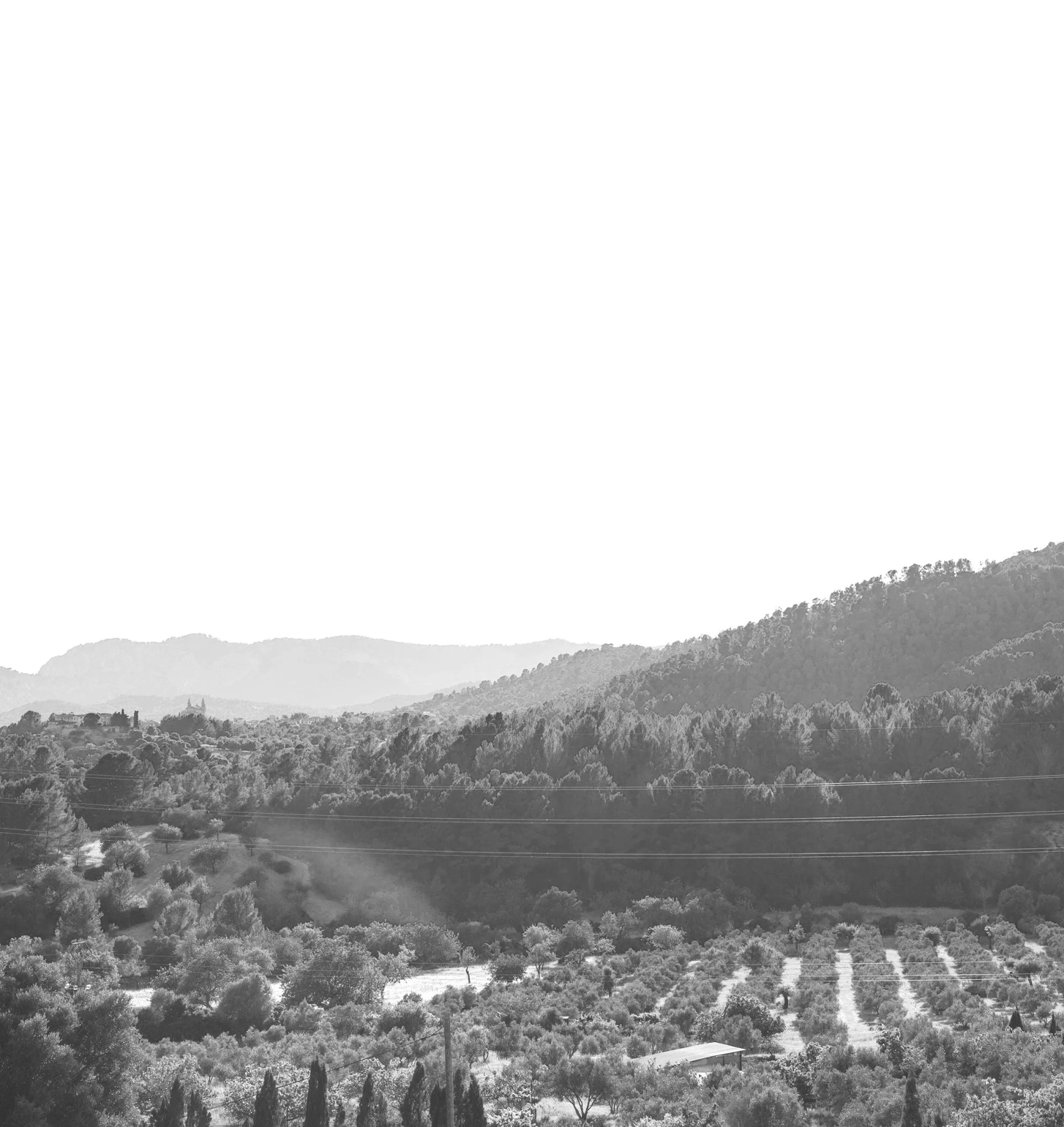
Son Boronat developed into a working finca, with daily life centered around the land. The olive press, known as the Tafona, and the surrounding agricultural buildings allowed the estate to produce its own food, fruits, and vegetables.
Olive oil produced on the estate was distributed across Mallorca, becoming part of the island’s local economy.
Water was brought down from the mountains through an ancient system of qanāts, underground channels of Arabic origin, which sustained the gardens and allowed citrus trees, including oranges and lemons, to grow.
The original water reservoir, dating from 1910, has since been restored and transformed into what is now the swimming pool.
Cultural Legacy
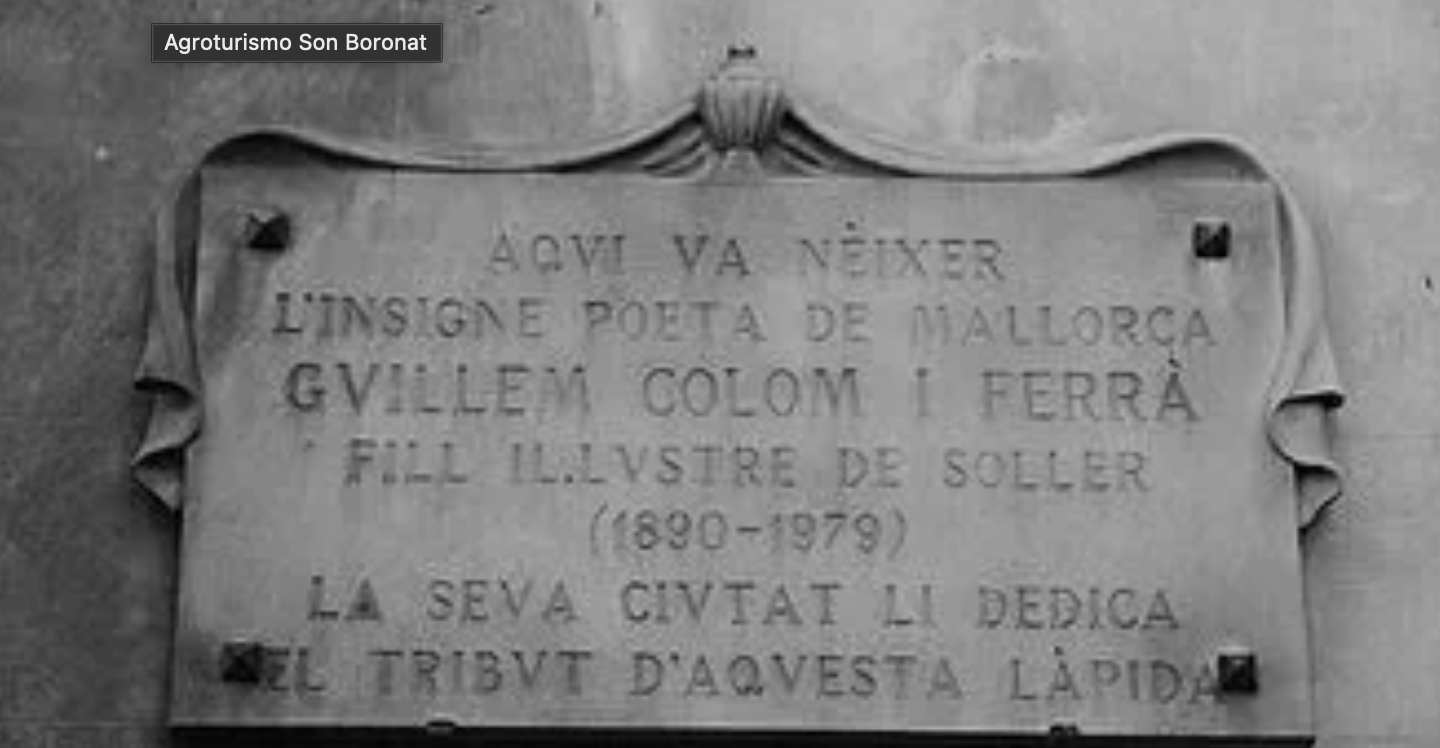
For generations, Son Boronat was home to the Colom family, whose roots are closely tied to the estate. Among them was Guillem Colom Ferrà, a respected Mallorcan poet.
During the Franco dictatorship, when writing in Catalan was prohibited, Guillem Colom Ferrà became part of a movement defending freedom of expression. Through the Centro Regionalista de Mallorca, he and others worked to preserve language and culture.
His work in theatre and poetry later gained recognition and awards, leaving a lasting cultural connection to the estate.
Land & Archaeological Significance
THE LAND
The estate extends across approximately 72,000 square metres of predominantly pine-covered hills. Within this landscape are seven caves of archaeological importance, contributing to the understanding of Balearic pre-history.
THE CAVE
The most significant, the Cova de Son Boronat, revealed discoveries such as burials within sandstone urns, a wooden coffin carved from a tree trunk, ancient pottery, ritual offerings, and wall paintings dating back to around 1000 BC.
THE ESTATE
Other caves in the area were used over time as shelters, animal enclosures, and spaces for charcoal production. Paths from the estate still lead into the surrounding hills and toward these sites.
Restoration and Today
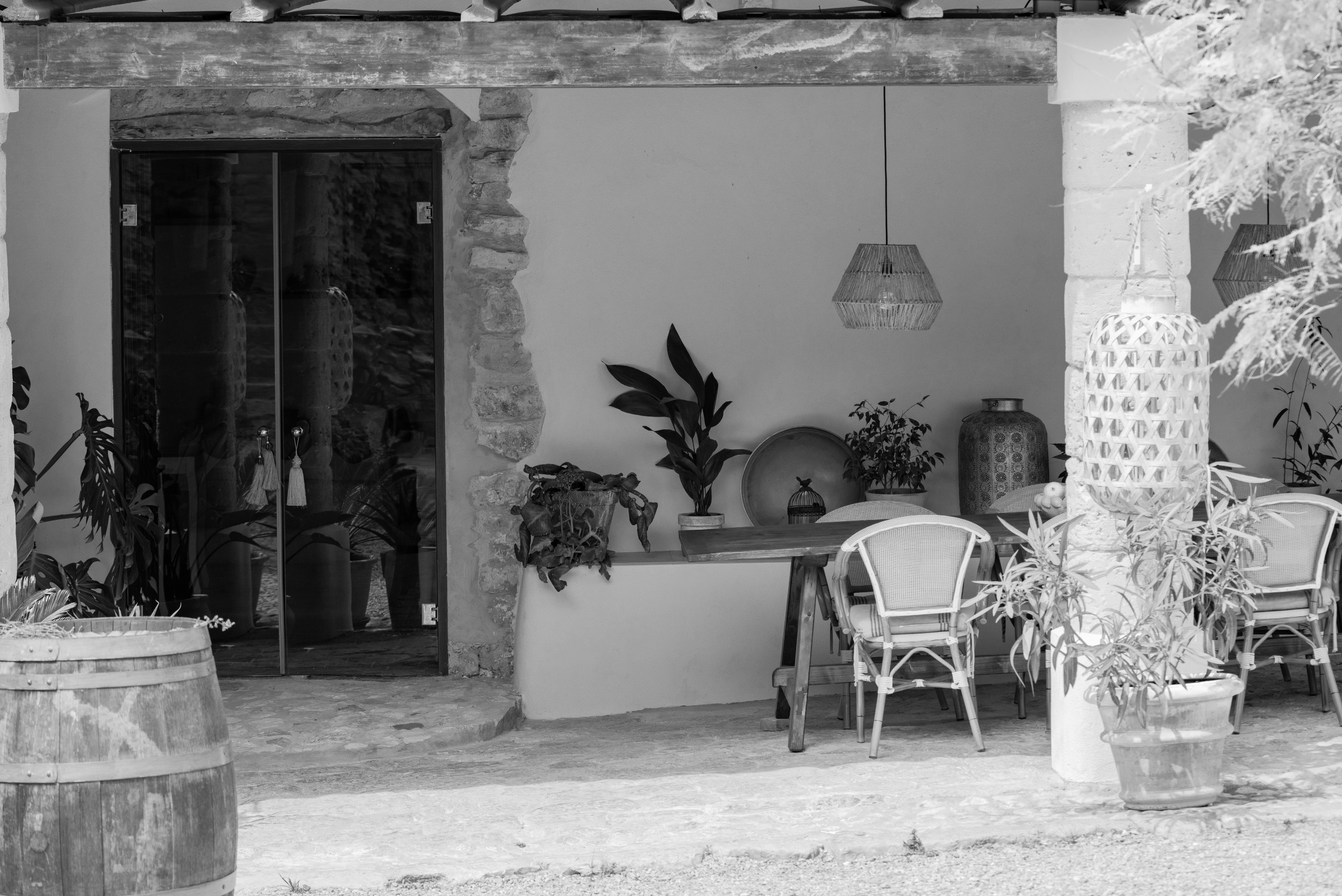
In 2008, Son Boronat underwent a careful restoration, bringing new life to the estate while preserving its original character. The defensive tower was adapted into living spaces, including the addition of its rooftop terrace.
At the same time, the finca began its transition into a boutique agroturismo hotel.
Today, Son Boronat is a finca wedding and retreat venue in Mallorca, where its historic spaces continue to be used in new ways. The courtyard, gardens, and buildings remain closely connected to their origins, while hosting gatherings, celebrations, and stays.